UK Drone Law 2026: What You Need to Know
UK drone law in 2026 requires all drone operators to follow CAA regulations. Drones under 250g such as the Memaero Aero 1 Lite are exempt from registration unless fitted with a camera. All pilots must pass the CAA Flyer ID theory test for drones over 250g. Flight restrictions apply near airports, crowds, and above 120m altitude.
If you are a parent buying a first drone for your family, or a newcomer to the hobby, understanding the rules before your first flight is essential. UK drone regulations exist to keep everyone safe — pilots, bystanders, and other airspace users alike. The good news is that the rules are straightforward once you know where to look, and choosing the right drone makes compliance far simpler.
This guide covers every aspect of UK drone law that matters to families and beginners in 2026. We will walk you through registration, the Flyer ID test, where you can and cannot fly, insurance considerations, and the penalties for getting it wrong. By the end, you will have the confidence to fly legally and safely.
All information in this guide is based on the Civil Aviation Authority (CAA) drone regulations as they stand in 2026. We recommend checking the CAA website periodically, as rules can be updated.
CAA Drone Registration Requirements
The CAA operates a drone registration system through its online portal at register-drones.caa.co.uk. Whether or not you need to register depends on the weight of your drone and whether it carries a camera.
Who Must Register?
You must register as a drone operator with the CAA if any of the following apply:
- Your drone weighs 250g or more at take-off
- Your drone weighs under 250g but is fitted with a camera or sensor capable of capturing personal data
- You fly drones commercially, regardless of weight
Registration costs £10.33 per year (as of 2026) and must be renewed annually. Once registered, you receive an Operator ID that must be displayed on every drone you fly.
Who Is Exempt from Registration?
Drones weighing under 250g without a camera do not require operator registration. This is one of the key advantages of lightweight, beginner-friendly models. Toy drones and simple training quads that lack any recording capability fall into this exempt category.
However, even if your drone is exempt from registration, you must still follow all flight rules, altitude limits, and airspace restrictions. Exemption from registration does not mean exemption from the law.
Sub-250g Drone Rules and Exemptions
The sub-250g category is particularly relevant for UK families. Drones in this weight class benefit from a simplified regulatory framework, making them the ideal starting point for new pilots.
Key Advantages of Sub-250g Drones
- No registration required (unless fitted with a camera capable of capturing personal data)
- No Flyer ID required for camera-free models
- Can fly closer to uninvolved people than heavier drones
- Lower risk classification under the Open Category system
- Simpler insurance requirements for recreational use
The Memaero Aero 3 Lite and the Aero 1 Lite are both designed with the sub-250g category in mind. By keeping weight below this threshold, families can enjoy flying without the additional administrative steps that heavier drones require.
The Open Category System
UK drone regulations use an Open Category framework divided into three subcategories:
- A1: Allows flight over uninvolved people (sub-250g drones)
- A2: Allows flight close to uninvolved people (requires additional competency certificate)
- A3: Flight must be kept well away from uninvolved people (for drones up to 25kg)
Most family drones under 250g operate in the A1 subcategory, which offers the greatest flexibility for recreational flying in parks, gardens, and open spaces.
The CAA Flyer ID Theory Test
If your drone weighs 250g or more, or if it weighs under 250g but carries a camera, you will need a Flyer ID. This is obtained by passing the CAA's online theory test.
What the Test Covers
The Flyer ID test is a multiple-choice assessment covering:
- Airspace rules and restrictions
- Safe flying practices and risk assessment
- Privacy and data protection when using cameras
- Weather conditions and their impact on drone flight
- Emergency procedures
- The Drone and Model Aircraft Code (the Drone Code)
How to Take the Test
The test is available online through the CAA drone registration portal. It consists of 40 multiple-choice questions, and you need to score at least 30 out of 40 to pass. There is no time limit, and you can retake the test if needed. The Flyer ID is valid for five years.
Who Needs a Flyer ID?
- Anyone flying a drone of 250g or more
- Anyone flying a sub-250g drone fitted with a camera
- The person physically controlling the drone (the remote pilot)
For family use, if a parent buys a camera-equipped drone for their teenager, the teenager will need their own Flyer ID. If you are looking for a hassle-free first drone, our Aero 1 Lite beginner checklist walks you through everything you need.
Sub-250g vs Over-250g Drones: Rules Comparison
| Requirement | Sub-250g (no camera) | Sub-250g (with camera) | Over 250g |
|---|---|---|---|
| CAA Registration | Not required | Required | Required |
| Flyer ID | Not required | Required | Required |
| Operator ID on drone | Not required | Required | Required |
| Fly over uninvolved people | Permitted (A1) | Permitted (A1) | Not permitted without A2 |
| Max altitude | 120m | 120m | 120m |
| VLOS required | Yes | Yes | Yes |
| Insurance | Not mandatory (rec) | Not mandatory (rec) | Recommended; mandatory commercial |
| Airport FRZ | Applies | Applies | Applies |
Flight Restrictions and No-Fly Zones
Regardless of your drone's weight or registration status, there are places where you cannot fly.
Flying Near Airports and Aerodromes
Airport Flight Restriction Zones (FRZs) are the most critical no-fly areas. Flying a drone within an FRZ without permission is a criminal offence.
What Is a Flight Restriction Zone?
Every licensed airport and aerodrome in the UK has an FRZ extending approximately 5km from the runway threshold. Major airports have larger, more complex FRZs. Flying within an FRZ carries penalties of up to five years in prison and an unlimited fine. Even sub-250g drones are subject to FRZ restrictions.
How to Check for FRZs
Before every flight, check your intended location against the CAA's interactive drone map on the CAA drones website. Several free smartphone apps also display FRZs and restricted airspace.
Rules Around Crowds and Uninvolved People
- Sub-250g drones (A1): You may fly over uninvolved people, but never intentionally over crowds
- Drones 250g to 900g (A1 with class label): You may fly over uninvolved people but not assemblies
- Heavier drones (A3): Maintain 150m from residential, commercial, and recreational areas
Maximum Altitude and Visual Line of Sight
120m (400ft) Altitude Limit
You must not fly higher than 120 metres above ground level. This keeps drones clear of manned aircraft.
Visual Line of Sight (VLOS)
You must keep your drone within visual line of sight at all times — visible with your own eyes, not through screens or goggles. In practice, this limits range to approximately 500 metres.
Understanding No-Fly Zones and Restricted Airspace
- Danger areas: Military training zones
- Restricted areas: Sensitive sites such as nuclear power stations, prisons, and government buildings
- Prohibited areas: Permanently restricted airspace around certain royal residences
- Temporary restrictions: Short-term no-fly zones for events, emergencies, or VIP movements (NOTAMs)
National parks, SSSIs, and National Trust properties may also have their own bylaws restricting drone use. Always check local rules before flying.
Drone Insurance in the UK
Recreational Use
Insurance is not legally required for recreational flights but is strongly recommended. Several providers offer recreational drone insurance from £30 to £60 per year covering third-party liability, hull damage, and flyaway cover.
Commercial Use
Commercial drone operators must have third-party liability insurance, typically £1 million minimum.
Penalties for Breaking UK Drone Law
- Flying in an FRZ: Up to 5 years in prison, unlimited fine
- Endangering an aircraft: Up to 5 years in prison
- Flying without registration: Up to £1,000 fixed penalty
- Flying above 120m or beyond VLOS: Fines and prosecution
- Reckless flying: Fines up to £2,500 under the Air Navigation Order
- Privacy invasion: Prosecution under data protection legislation
Fly Legal, Fly Confident
Every Memaero drone is designed for UK compliance. Shop with peace of mind.
Shop CAA-Compliant Drones →Choosing a Family-Friendly, Compliant Drone
Why Sub-250g Is the Sweet Spot
- Less paperwork — no registration for camera-free models
- No Flyer ID exam required for camera-free sub-250g drones
- Greater flying freedom under A1 subcategory
- Lower cost of entry
- Safer by design — lighter drones pose less collision risk
The Memaero Range
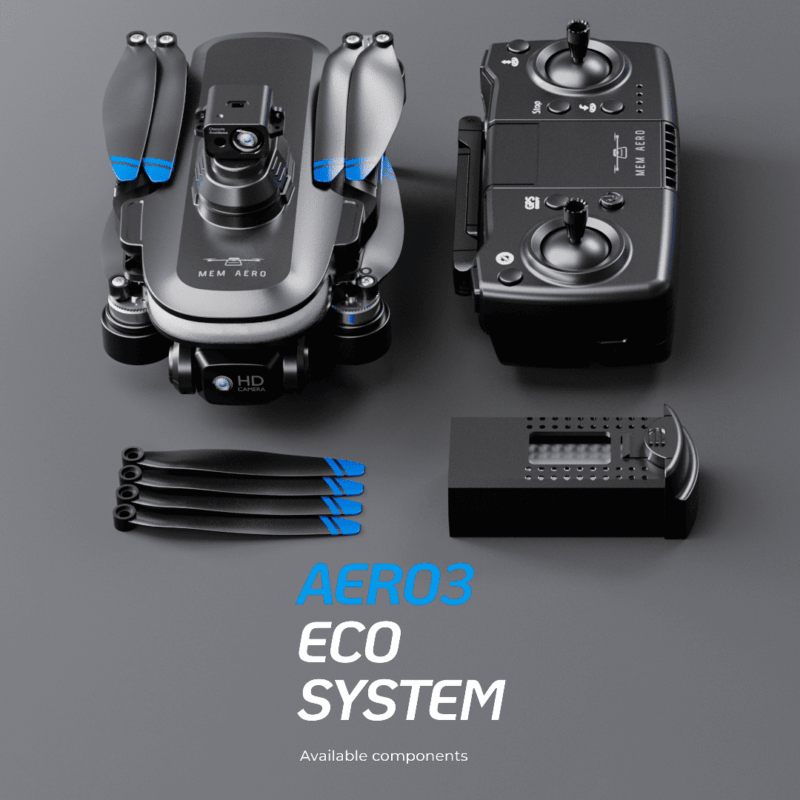
The Memaero Aero 1 Lite is purpose-built for UK beginners and families. Weighing well under 250g, it offers altitude hold, headless mode, and propeller guards.
For families ready to step up, the Aero 3 Lite adds GPS positioning and return-to-home while remaining under 250g.
Pre-Flight Compliance Checklist
- Check your drone's weight and camera status
- Verify registration if required
- Confirm Flyer ID if required
- Check airspace with the CAA drone map
- Assess the environment for hazards
- Check weather conditions
- Ensure batteries are charged
- Plan your flight path
- Respect privacy
- Know the Drone Code
For a detailed walkthrough, see our complete beginner checklist.
Frequently Asked Questions
Do I need to register a drone under 250g in the UK?
No. Under current CAA rules, drones weighing under 250g like the Memaero Aero 1 Lite do not require registration unless fitted with a camera. Always check the latest CAA guidance for updates.
Can my child fly a drone legally in the UK in 2026?
Yes. Children can fly sub-250g drones without registration. For heavier models, an adult must hold a valid Flyer ID obtained through the CAA theory test. Parental supervision is recommended for all ages.
What happens if I fly my drone in a no-fly zone?
Flying in a Flight Restriction Zone without authorisation is a criminal offence with penalties of up to five years in prison and an unlimited fine.
Do I need insurance to fly a drone in the UK?
Insurance is not legally required for recreational flights but is strongly recommended. A basic policy costs from around £30 per year.
Where can I fly my drone legally?
You can fly in most open spaces not within an FRZ, restricted airspace, or subject to local bylaws. Parks, fields, beaches, and private land (with permission) are common choices.
Is the Flyer ID test difficult?
Most people find it straightforward. It consists of 40 multiple-choice questions with free study materials available on the CAA registration site.