Travel Drone Comparison: Aero 3 Lite vs Aero 1 Lite
In This Article
- The Aero 3 Lite is perfect for serious travellers and content creators wanting cinematic quality.
- The Aero 1 Lite is a dependable choice for casual users with simpler video needs.
- Both drones offer great features, but only the Aero 3 Lite supports fast charging and longer flight time.
- If luggage space and weight matter, the Aero 3 Lite’s foldability is a game changer.
Overview: Holiday Drones in 2025
A New Era for Travel Photography
In 2025, the travel photography landscape continues to be revolutionised by compact, high-tech drones that deliver cinematic footage straight from the skies. The need for a reliable, lightweight, and easy-to-use travel drone has never been greater. This detailed Travel Drone Comparison explores the Aero 3 Lite and Aero 1 Lite, two of the most popular drones designed for holidaymakers. Whether you're trekking through the Alps or lounging on a beach in Bali, these drones aim to serve as your personal aerial photographers. With demand growing for high-resolution imagery, stabilised video, and long battery life in devices no larger than a bottle of water, it's essential to understand which model performs best under typical travel conditions.

Meet the Aero 3 Lite and Aero 1 Lite
Quick Specs & Snapshot
The Aero 3 Lite and Aero 1 Lite are mid-tier, travel-friendly drones designed for ease of use without sacrificing quality. The Aero 3 Lite, released in early 2025, boasts a foldable frame, weighing just 249 grams, placing it right under the legal weight limit in many countries for registration-free flying. The Aero 1 Lite, although slightly heavier at 275 grams, comes equipped with a more rugged frame suited for slightly windier conditions.
Both models offer 4K video recording capabilities, GPS-assisted flight modes, and intelligent obstacle avoidance. However, the Aero 3 Lite stands out with its enhanced low-light performance and 3-axis gimbal stabilisation, features that cater specifically to travellers seeking professional-grade output. The Aero 1 Lite, on the other hand, remains the favourite among price-conscious consumers, thanks to its competitive pricing and dependable performance for casual use.
"Travellers in 2025 want more than selfies—they want epic stories told through stabilised, breathtaking aerial footage."
Design and Portability Compared
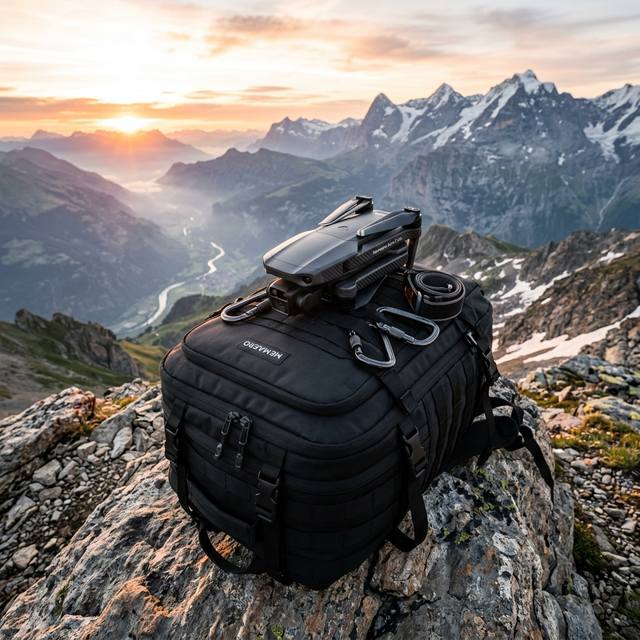
Any Travel Drone Comparison must begin with evaluating the design—an essential factor for jet-setters with limited luggage space. The Aero 3 Lite edges ahead in terms of compactness and portability. Its foldable arms collapse tightly into its frame, reducing its volume to that of a mid-sized smartphone. With a dedicated carrying case included, it easily fits into any standard backpack or carry-on.
In contrast, the Aero 1 Lite is non-foldable but constructed from a reinforced polycarbonate shell designed for occasional knocks and drops. While not as sleek or compact, it appeals to those who seek durability over discretion. However, when every gram counts during travel, especially with airlines enforcing strict carry-on policies, the Aero 3 Lite emerges as the smarter choice for portability.
Camera Quality: Which One Captures Better Shots?
The Aero 3 Lite features a 1/1.3-inch CMOS sensor, a significant improvement over the Aero 1 Lite’s 1/2.7-inch sensor. This size difference translates directly into better dynamic range, richer colours, and clearer low-light performance. Whether capturing a sunrise hike or the neon cityscape of Tokyo after dark, the Aero 3 Lite delivers crisper, more accurate images with less digital noise.
Additionally, the Aero 3 Lite includes HDR imaging, which combines multiple exposures to enhance detail in both highlights and shadows. Meanwhile, the Aero 1 Lite offers functional but basic colour processing, suitable for casual use but requiring more editing for professional results.
A vital feature worth noting in this Travel Drone Comparison is gimbal performance. The 3-axis gimbal on the Aero 3 Lite ensures shock absorption and smooth video transitions, eliminating shaky footage even in mild wind. The Aero 1 Lite, with its 2-axis stabilisation, shows visible vibration in turbulent conditions. For content creators and travellers who value cinematic output, camera quality alone may tip the scales toward the Aero 3 Lite.
Flight Ease & User Experience for Beginners
Ease of use is crucial, especially for novices new to drone flying. The Aero 3 Lite comes bundled with an intuitive mobile app featuring a user-friendly interface, pre-programmed flight paths, and gesture controls. Within minutes, users can perform complex manoeuvres like orbit shots or follow-me modes with no technical expertise required.
By contrast, the Aero 1 Lite does offer many automated flight features, although its app is slightly less refined. Users report minor delays in live transmission and a slightly more complex initial setup. However, both models provide GPS return-to-home capabilities and geo-fencing options, essential for safe flight in unfamiliar areas.
Of importance in any Travel Drone Comparison is the learning curve. If time is limited or you wish to start filming right out of the box, the Aero 3 Lite provides a less stressful gateway into drone photography.
Battery Life and Charging Differences
The Aero 3 Lite features a lithium-polymer battery capable of sustaining flight for up to 34 minutes under optimal conditions. Real-world flight times often settle around 28–30 minutes. Interestingly, this model supports fast charging via USB-C, allowing users to fully recharge in under an hour with a suitable charger—a notable advantage during power-constrained travel days.
In comparison, the Aero 1 Lite delivers around 26 minutes of flight time per battery and does not support fast charging. While this may suffice for casual use, longer excursions, such as hiking or safari trips, might demand multiple batteries for uninterrupted usage.
Both models allow battery hot-swapping, but power efficiency is clearly in favour of the Aero 3 Lite. If you crave extended shooting sessions with less downtime, the Aero 3 Lite's power management system proves superior.
Price vs Performance Breakdown
Aebotics priced the Aero 3 Lite at approximately £579 upon launch, while the Aero 1 Lite is available for around £389. This cost difference reflects the broader feature set of the Aero 3 Lite. In terms of return on investment, the Aero 3 Lite offers more professional capabilities and a greater lifespan for evolving needs.
However, budget-conscious users, particularly those seeking a basic, reliable travel drone for entry-level content creation, will still find excellent value in the Aero 1 Lite. Its quality-to-price ratio remains competitive, especially bundled with accessories or seasonal discounts from retailers. For comparative deals and discounts, check Learn more about Drone Comparison & Buying Guides.
Ideal Use Cases While Traveling
Think of the Aero 3 Lite as your trusted companion for vlogging, travel documentaries, or blogging. Its 4K 60fps recording, responsive tracking, and pro-grade editing controls make it ideal for content creators on the move. Whether you’re gliding over Santorini’s rooftops or zipping through Icelandic fjords, the Aero 3 Lite adapts seamlessly.
The Aero 1 Lite is better suited to family holidays and casual shoots. Capture beach games, resort walk-throughs, or quick panoramic views with minimal fuss. However, limited frame rate options and slightly longer setup times make it less versatile for more dynamic or fast-paced environments.
For more tips on drone travel and legal flying zones, consult Read a related article for up-to-date travel drone regulations across regions.
User Reviews and First-Hand Impressions
Feedback for both models indicates high satisfaction in their respective categories. The Aero 3 Lite is often praised for its professional-grade stabilisation and image clarity. Fans appreciate its compact frame, rapid deployment time, and consistent wireless connectivity.
Meanwhile, reviews of the Aero 1 Lite highlight its great value and durability. One user mentioned, "Fantastic drone for under £400—ideal for quick family trips and light use!"
However, several users noted the Aero 1 Lite’s live feed suffered from subtle lag in areas with dense Wi-Fi interference. This limitation does not appear frequently in Aero 3 Lite reviews, where signal transmission consistently receives top marks.
Independent testers from third-party drone forums also confirmed these impressions, as detailed in this How AI is transforming drone marketing strategies.
Pros and Cons Summary Table
- Aero 3 Lite Pros: Longer battery life, better gimbal, superior low-light images, professional-grade app, fast charging.
- Aero 3 Lite Cons: Higher cost, slightly more fragile in wind compared to Aero 1 Lite.
- Aero 1 Lite Pros: Cheaper, more rugged design, dependable 4K video for casual users.
- Aero 1 Lite Cons: Shorter battery life, weaker gimbal, less detailed imaging.
Final Verdict: Which Should You Choose?
If you're looking for the best possible travel drone experience in 2025, the Aero 3 Lite leads in this Travel Drone Comparison. It combines professional features with a traveller-friendly design, making it ideal for both beginners and experienced drone users. However, if budget is a limiting factor or if your needs are light, the Aero 1 Lite still provides excellent value and dependable performance.
Great guide on aero-3-lite-vs-aero-1-lite-which-is-best-for-holiday-photos-interactive – Community Feedback