Drone Flying Guides

Drone Beginner Setup: Tips for Your First Memae…

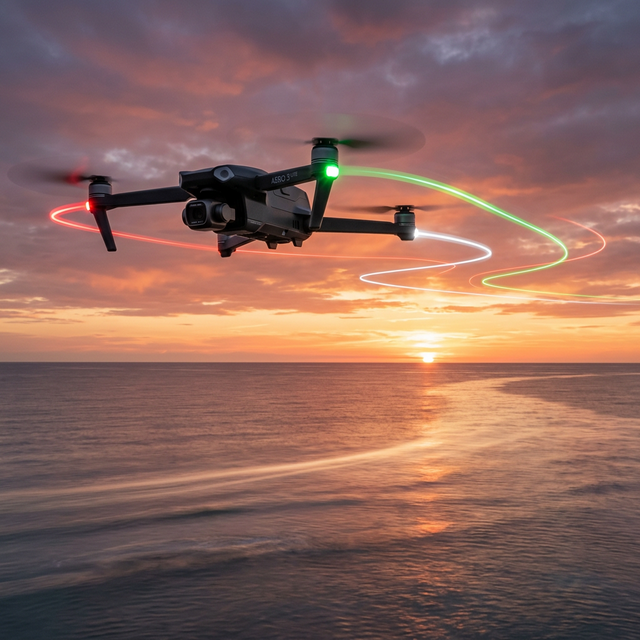
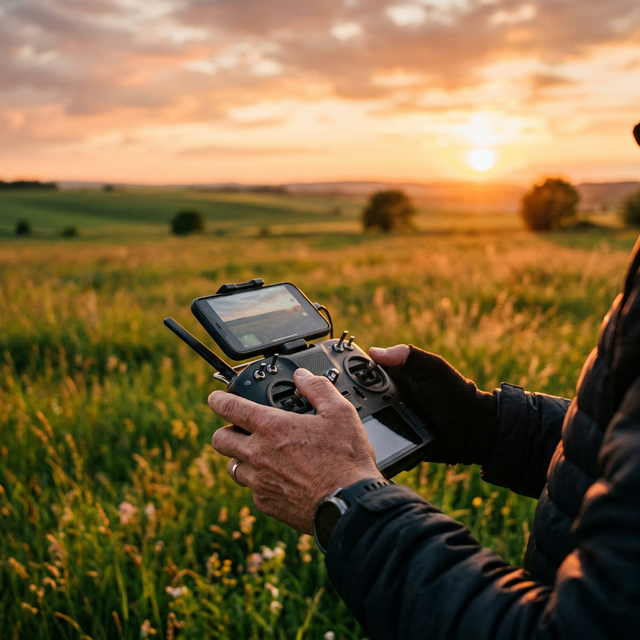
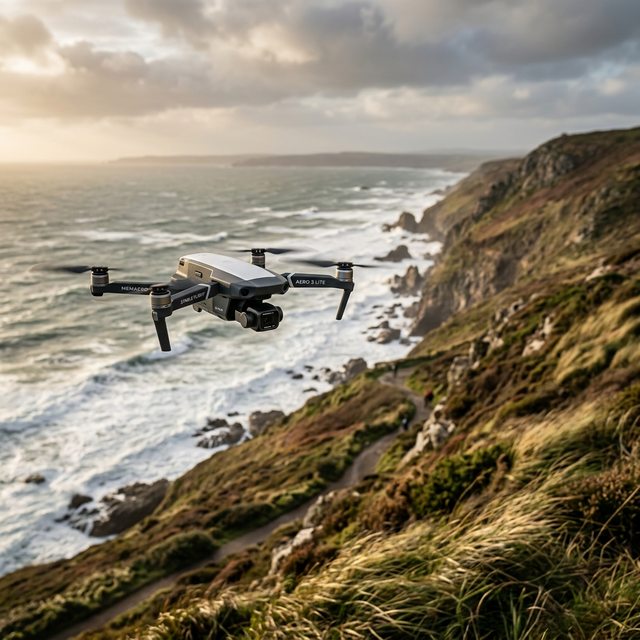
Drone Beginner Setup guide showing a user configuring a Memaero AeroSpark outdoors in a park during sunrise.

Drone Beginner Setup: Tips for Your First Memae…

About memaero

We design smart, beginner-friendly drones that make flying easy, fun, and affordable. With UK-based support and 4K features under £100, our Aero range is built for first-time pilots and families alike.

In This Article

  • Always begin your Drone Beginner Setup by reading the user manual thoroughly.
  • Check all equipment before flight, and don’t skip calibration.
  • Master basic takeoff and landing techniques before attempting complex stunts.
  • Understand and respect local drone laws and airspace regulations.
  • Use training modes to build skill incrementally in a controlled manner.
  • Invest in essential accessories like extra batteries and propeller guards.
  • Prioritise safety through pre-flight inspections and situational awareness.
  • Remember: precision and discipline foster confidence in drone flight.
Starting your journey into drone aviation can feel overwhelming. This comprehensive Drone Beginner Setup guide explores everything you need to know—from unboxing your Memaero AeroSpark, calibrating it for flight, avoiding common blunders, to mastering those first crucial skybound moments. Whether you’re a first-time pilot or transitioning from toy drones to real UAVs, this article ensures your experience is safe, smooth, and confidence-boosting.

Why Choose the Memaero AeroSpark for Your First Drone?

Affordability Meets Performance

The world of drones has evolved dramatically in recent years, both in terms of technological advancements and accessibility. For budding drone pilots, the Memaero AeroSpark is an ideal choice for a variety of compelling reasons. One of its most attractive features is affordability. Priced competitively compared to other starter drones, the AeroSpark balances functionality with cost efficiency—making it a smart choice for your Drone Beginner Setup.

The unit offers high-grade flight stability, thanks to its gyroscopic sensors and a responsive flight controller. For beginners, this reduce the learning curve significantly. Many entry-level drones sacrifice performance for cost, but Memaero seems to have struck the perfect balance. With brushless motors, intelligent flight modes, and impressive battery endurance, the AeroSpark packs a punch well above its weight.

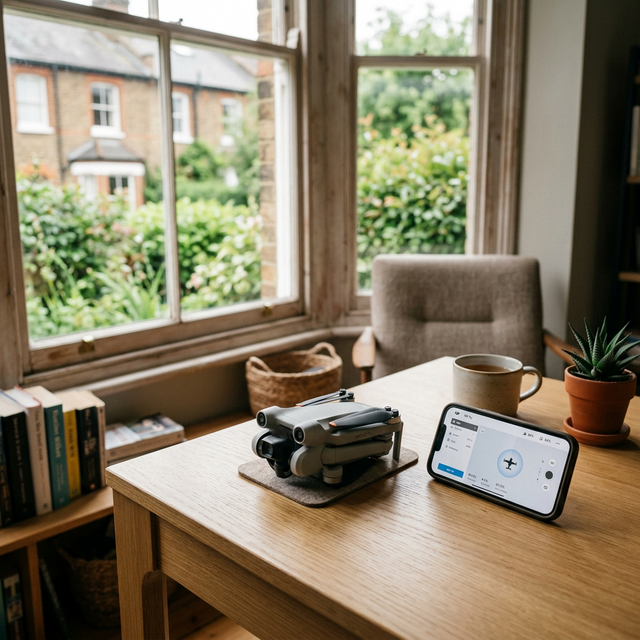
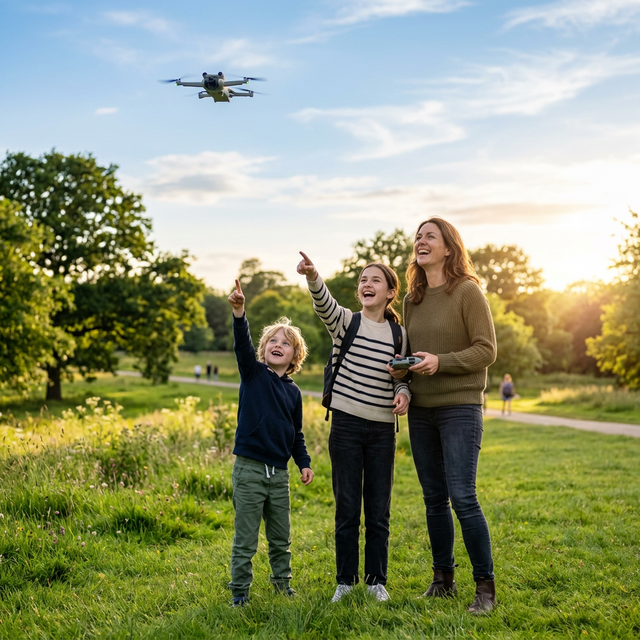
A beginner learning drone setup with the Memaero AeroSpark during their first outdoor flight attempt.

Unboxing and Pre-Flight Checklist

What Comes in the Box and What to Check

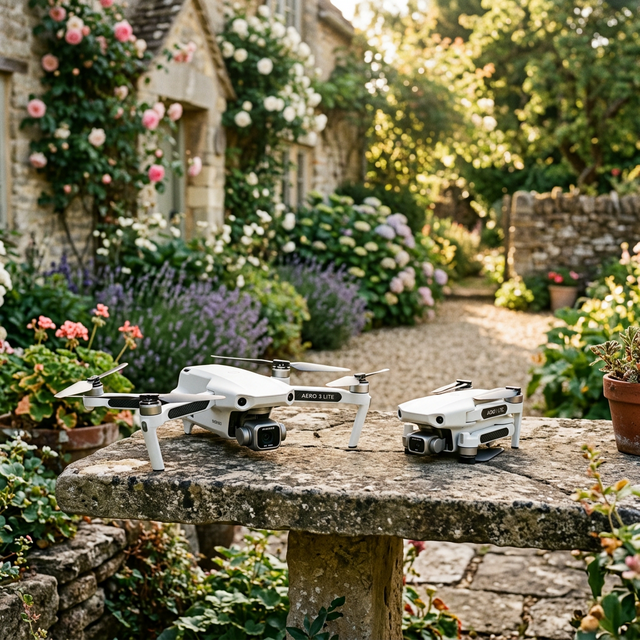
When your AeroSpark package arrives, the excitement is palpable. However, it’s essential to approach the unboxing methodically, a crucial step in any proper Drone Beginner Setup. Inside, you’ll typically find the drone body, a remote controller, battery pack(s), spare propellers, charging cable, instruction manual, and a set of landing gear components. Some bundles may also include a propeller guard for added safety.

Before jumping straight into your first flight, you’ll want to carry out a pre-flight inspection. Check all components for signs of damage incurred during transit. Ensure the battery is fully charged using the provided cable, and install it snugly into the drone bay. Examine the propellers for defects and ensure each is fastened tightly. Test your remote controller by syncing it with the drone and confirming the LED indicator works correctly. This organised habit reduces mid-air failures and builds a responsible flying mindset from day one.

“A well-executed Drone Beginner Setup starts with the basics—unboxing and checking your gear isn’t optional; it’s foundational.” — UAVFlight Academy

Step-by-Step Drone Setup Guide

To ensure a consistent and safe Drone Beginner Setup, follow these steps meticulously. Start by selecting a wide, open space with minimal electromagnetic interference—parks or open fields are ideal. Lay out all your equipment in a clean, dry area. Begin by attaching the propellers to their corresponding motor arms. Refer to the manual if necessary, as incorrect alignment could compromise flight stability.

Next, install the landing gear and, if available, the propeller guard—especially recommended for indoor flights or tight spaces. Insert the fully charged battery into the designated slot. Power on the drone first, and then the remote controller. This order helps establish a connection without interference. Wait for the LED lights to stabilise, indicating a successful sync. Depending on your model, the controller may emit a beep to confirm connection. From this point, proceed to calibrate the drone—an essential step covered in depth below.

How to Calibrate Your AeroSpark Before Takeoff

Calibrating your drone ensures accurate positioning, stable flight, and precise navigation. With the AeroSpark, the process is relatively straightforward. Enter calibration mode through the remote controller—usually initiated by moving both control sticks to the bottom-right corner simultaneously. You’ll notice the LEDs begin to blink rapidly.

Hold the drone horizontally and rotate it 360 degrees along its horizontal axis. Then, tilt it vertically (nose down) and repeat the rotation. This completes the gyroscopic and compass calibration. Some models include a mobile app to assist or confirm calibration procedures. Always recalibrate after moving to a new location, as magnetic fields and altitudes can vary, affecting flight dynamics.

Practicing Safe First Takeoff and Landing

First flights are exhilarating yet nerve-wracking. Choose calm weather with minimal wind for your debut takeoff. Position the drone on flat, unobstructed ground. Gently increase throttle until the drone hovers about a metre off the ground. Keep it stabilised for at least 10 seconds to acclimatise to its behaviour. Forward, backward, left, and right inputs should respond promptly yet smoothly. If drift occurs, land and recalibrate immediately.

For landing, reduce altitude slowly and maintain level ground contact. Avoid sudden throttle cuts, as they may damage the landing gear or sensors. Practise soft landings multiple times before attempting complex manoeuvres. Remember, good landings signal pilot control maturity—a cornerstone of mastering any Drone Beginner Setup.

Understanding Flight Rules for Beginners

Airspace regulations are not optional—they are legal obligations. In the UK, the Civil Aviation Authority (CAA) designates specific rules for drone operation under the Drone and Model Aircraft Code. For beginners, drones under 250 grams face fewer restrictions, but the Memaero AeroSpark requires registration.

You must pass the CAA’s Flyer ID test—a simple online certification validating your understanding of responsible flying. Always maintain a visual line of sight (VLOS) and keep the drone within 120 metres of altitude. Flying near airports, crowded areas, or over private property without permission is strictly prohibited. Compliance ensures you fly legally and responsibly, fostering a positive drone community image.

Mastering Basic Flight Controls and Movements

Mastery over flight controls doesn’t come overnight, but practice makes proficient pilots. Use the left stick for throttle (up/down) and yaw (rotate left/right). The right stick manages pitch (forward/backward) and roll (left/right). Begin by perfecting each motion independently. Gradually combine the inputs for controlled diagonal flight, circular patrolling, or figure-eight patterns.

To enhance your skills, try flying in different orientations. When the drone faces you, controls are inverted—this is where many beginners stumble. Practising under various headings develops spatial awareness and hand-eye coordination. Use training modes if your AeroSpark supports them, as these limit speed and control sensitivity, offering a forgiving learning curve during your Drone Beginner Setup journey.

Common Mistakes New Drone Pilots Make

There are frequent pitfalls that many novice pilots encounter, and awareness is the first line of prevention. One major mistake is skipping calibration, which often leads to unstable flights and erratic behaviour. Another is ignoring weather conditions—strong winds can easily overpower beginner-level drones.

Poor battery management is another culprit. Never push battery life to its limit. Always return with at least 20% charge remaining to accommodate for unexpected delays. Additionally, many beginners make the mistake of flying too far or too high too soon. These actions can remove the drone from sight or signal range, leading to a complete loss. Lastly, avoid flying over people or traffic—apart from being dangerous, it’s illegal in most jurisdictions.

Investing in the right accessories can make your Drone Beginner Setup vastly more productive and enjoyable. Start with extra batteries, as flight times rarely exceed 20 minutes. Having multiple power sources extends your practice sessions without long breaks for recharging.

A durable carrying case helps in transporting the drone safely, especially when heading to outdoor locations. Propeller guards are a must-have for indoor flight training. Consider landing pads too—they protect against dust, grass, and rocks that can affect the gimbal or sensors. Moreover, a sunshade for your smartphone or tablet enhances screen visibility when using app-based FPV controls. Lastly, always keep a small toolkit handy. Multi-screwdrivers, spare rotors, and cleaning brushes could save the day in unexpected situations.

Top Safety Tips: What Every Beginner Should Know

Safety remains paramount in drone operations. Before every takeoff, perform a full pre-flight inspection, checking for damaged propellers, secure battery placement, and signal strength. Never fly near restricted airspace or during poor weather. Gusty winds can be deceptive and take your drone far beyond visibility in mere seconds.

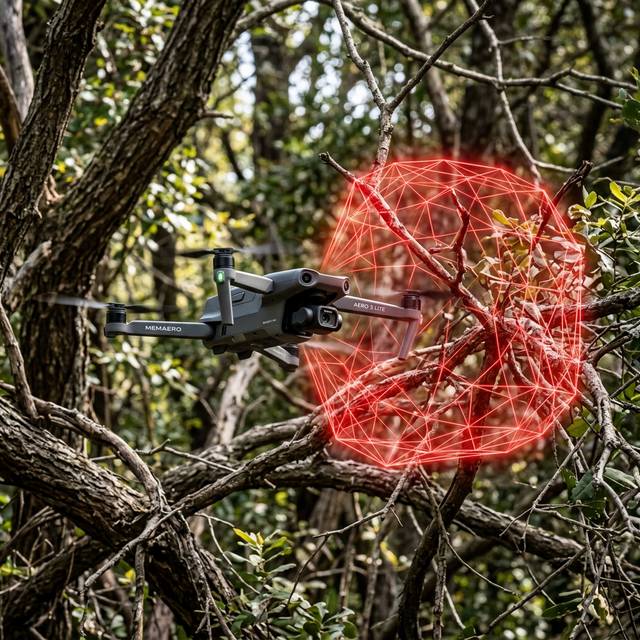
Maintain situational awareness at all times. Avoid distractions such as phone calls while flying. Choose safe environments with minimal obstacles—trees, power lines, and buildings can interfere with signals or create unexpected hazards. Moreover, respect others’ privacy. Not every bystander appreciates having a UAV hovering nearby. By keeping these safety tips central to your Drone Beginner Setup, you’re not only protecting your gear but contributing to responsible drone aviation culture.

Conclusion: Lift Off with Confidence

[CONCLUSION_CONTENT]

Great guide on first-flight-with-memaero-aerospark-setup-tips-tricks-beginner – Community Feedback

How do you fly a drone for the first time?

To fly a drone for the first time, start by reading the device manual and calibrating the controls. Practice in an open space, perform gentle takeoffs and landings, and gradually build your confidence. Learn basics like hovering, rotating, and moving forward or backward before attempting more advanced maneuvers.

What is the 1 to 1 rule drone?

The 1:1 rule in drone flying means keeping your drone at a lateral distance from any uninvolved person that is not less than the height at which you are flying. For example, if your drone is 40m high, you must keep at least 40m away from uninvolved people for safety.

Will the FAA know if I fly my drone?

The FAA may not directly track every flight in the UK, but in regulated regions like the US, flights may be monitored via registration and remote ID systems. Always comply with local policies to avoid penalties.

How much should a beginner spend on a drone?

Beginners should consider affordable drones ranging from £50 to £150, balancing user-friendly features, camera quality, and durability. Memaero AeroSpark is an excellent budget-friendly choice for new pilots.