Key Takeaways
- What Is FPV Drone Flying?
- FPV Drone Categories for Beginners
- What Under £150 Gets You in FPV
- UK Regulations for FPV Flying
- Simulator Training — Essential Before First FPV Flight
What Is FPV Drone Flying?
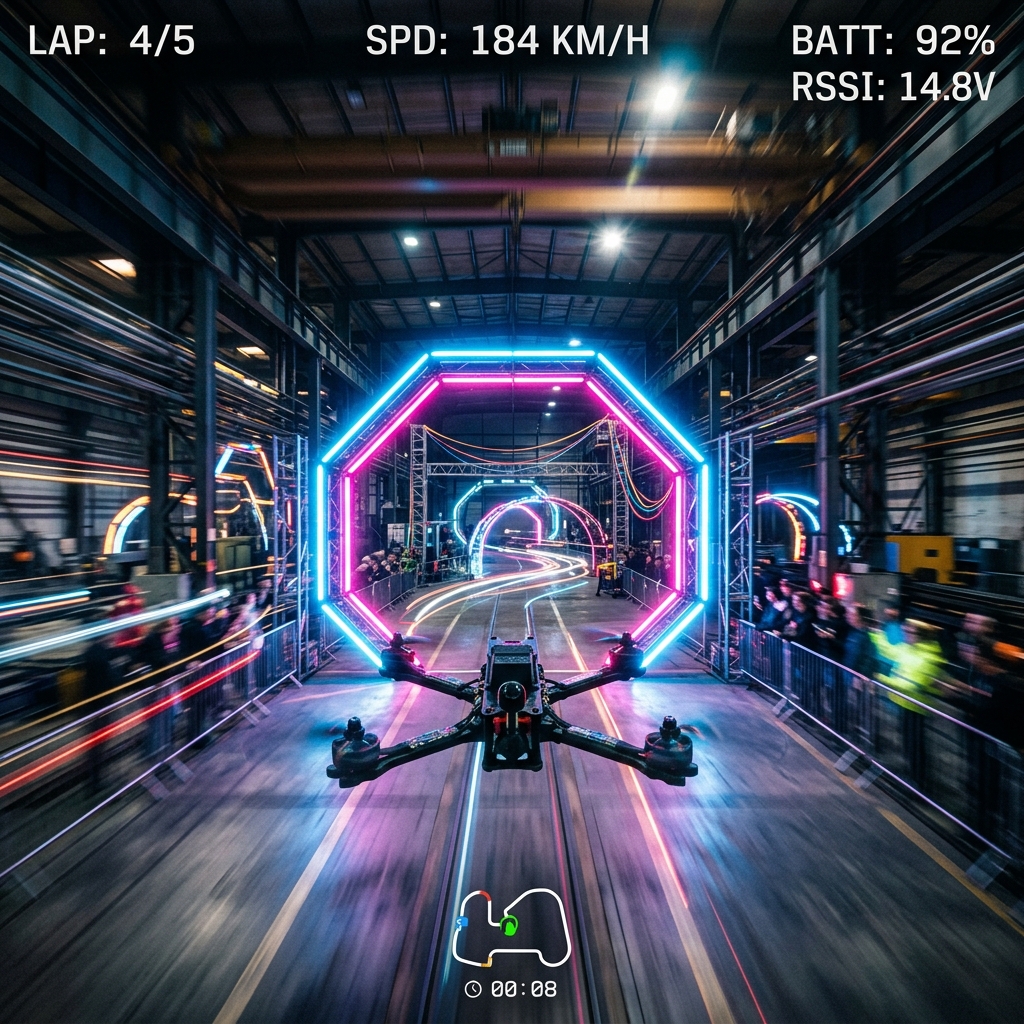
First-person view (FPV) drone flying uses a live video feed from the drone''s camera — transmitted to a screen mounted on the controller or to dedicated FPV goggles — to give the pilot a cockpit-like perspective from the drone''s position. Rather than flying from the ground watching the drone from the outside, the FPV pilot is effectively in the drone''s seat.
This immersive perspective enables more precise flying in close-quarters environments, more dynamic manoeuvres, and a genuinely different flying experience from standard third-person drone operation. FPV racing and freestyle flying have developed into significant competitive disciplines with professional circuits and global communities.
For beginners, the appeal of FPV is primarily the experience and creative possibilities rather than competition. Flying through a forest at low altitude, executing tight turns around obstacles, and capturing immersive footage from dramatic perspectives creates content that standard camera drones simply cannot.
FPV Drone Categories for Beginners
Beginner FPV falls broadly into two categories: integrated FPV drones (camera and transmitter built into a consumer-oriented package with goggles or screen included) and freestyle/racing micro quads (small, agile drones built for manual flight in sport mode without GPS stabilisation).
Integrated FPV drones like the DJI FPV Combo, DJI Avata, and consumer-oriented models from other brands include stabilisation systems that make the immersive experience accessible without the advanced manual flying skills required for freestyle quads. These are genuinely beginner-accessible and represent the best entry point for most new FPV pilots.
Freestyle micro quads — the whoop and toothpick class drones popular in FPV clubs — require development of manual flying skills through a simulator before attempting real-world flights. These are rewarding but come with a steeper learning curve and higher early crash rates than integrated FPV drones.
What Under £150 Gets You in FPV
The genuine consumer FPV experience — immersive first-person view via goggles, smooth transmission, and decent camera quality — starts at around £150 for the most accessible products. Below this price point, you enter the territory of toy-grade FPV equipment with high-latency transmission, poor image quality, and limited practical value for either skill development or content creation.
At £100–£150, you can find micro FPV drones with basic goggles or a controller screen that provide a genuine FPV experience for indoor flying and calm outdoor conditions. These are real learning tools with meaningful limitations rather than professional equipment, but they establish the fundamental skills — throttle management, orientation, control inputs — that transfer to more capable equipment.
The limitations at this price are: limited range (typically 50–100m reliable transmission), lower resolution and higher latency than premium systems, limited battery life (4–6 minutes is typical for micro FPV drones), and basic build quality that will require more frequent repairs. These are expected and manageable limitations for a beginner system.
UK Regulations for FPV Flying
FPV flying in the UK has specific regulatory implications. When wearing FPV goggles, pilots technically lose visual line of sight, which is required under CAA rules. The legal solution is to fly with a spotter — a second person maintaining visual line of sight who communicates with the pilot about the drone''s position and any hazards.
For FPV drones under 250g, the registration requirements are the same as other drones in this weight class. Above 250g, standard CAA registration and Flyer/Operator ID requirements apply. The CAA has published specific FPV guidance that is worth reading before any first flight.
Indoor FPV flying is technically unrestricted for drones under 250g in private spaces. Many FPV beginners develop core skills flying indoors before moving outdoors, as crashes at indoor speeds cause minimal damage and the controlled environment allows skill development without regulatory complexity.
Simulator Training — Essential Before First FPV Flight
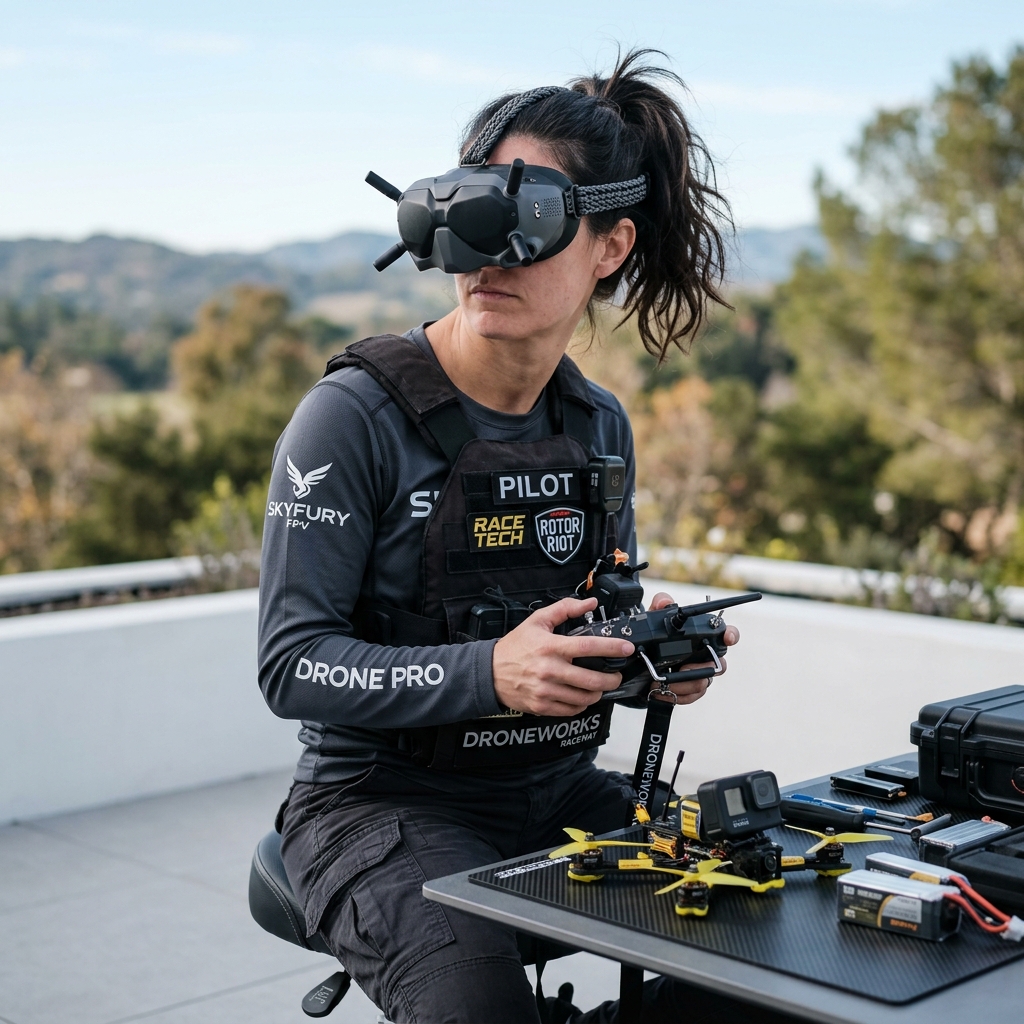
FPV simulators are the most efficient way to develop the fundamental skills required for safe FPV flying without damaging real equipment. Applications like Liftoff, Velocidrone, and the free FPV SkyDive simulator provide realistic flight physics in 3D environments that develop muscle memory for throttle management and control inputs.
Most experienced FPV pilots recommend a minimum of 5–10 hours of simulator time before flying any real FPV drone. This recommendation is not excessive — the manual skills required for FPV, particularly without GPS stabilisation, are genuinely different from standard drone operation and reward dedicated simulator practice.
Using the actual transmitter you plan to fly with during simulator training is important. The control feel of your real transmitter in the simulator creates the muscle memory transfer that you need when flying real equipment. Cheaper controller options that use USB connection to a computer work well for this purpose.
Building FPV Skills Progressively
Begin with a stabilised micro FPV drone indoors before progressing to unstabilised (acro mode) flying. The stabilised experience builds confidence in the FPV perspective and basic control inputs without the skill requirement of managing full manual control. Many pilots fly stabilised FPV for months before attempting acro mode — this is completely normal and sensible.
Simple skill progression exercises: hover practice in a fixed position, forward flight in a straight line at consistent altitude, gentle banked turns, and flying figure-of-eight patterns. These fundamentals, practised repeatedly in simulator and then real flight, develop the muscle memory that enables more complex manoeuvres.
Join a UK FPV club or community. The FPV community in the UK is active and welcoming to beginners. Flying with experienced pilots at club locations provides both safe, legal flying opportunities and access to mentorship that dramatically accelerates skill development.
From FPV Beginner to Content Creator
Once basic FPV skills are established, the creative content possibilities are substantial. Low-altitude flight through natural environments — forests, coastal cliffs, urban architecture — produces footage with a visual dynamism that is impossible to replicate with camera drones flying at conventional altitudes and speeds.
Freestyle FPV content has become a distinct and popular category on YouTube and Instagram. The combination of athletic flying skill, dramatic environments, and immersive perspective creates a content category with a dedicated audience. UK landscapes offer exceptional settings for this type of content — woodland, coastal, and urban environments all feature prominently in UK FPV content.
The creative ceiling of FPV flying is genuinely high. Unlike standard drone photography, where improvement plateaus relatively quickly, FPV flying skills continue developing for years. The most skilled FPV pilots are genuinely impressive athletes whose combination of hand-eye coordination, spatial awareness, and creative vision produces content that transcends the medium.
Summary
Affordable FPV drones under £150 open the door to one of the most exhilarating experiences in consumer technology. Start with simulator training, progress through stabilised indoor flying, and build skills progressively. The UK FPV community is welcoming, regulatory guidance is clear, and the creative possibilities are exceptional. For beginners willing to invest time in skill development, FPV flying provides rewards that standard drone flying cannot match.
Is FPV drone flying legal in the UK?
Yes, with conditions — FPV flying with goggles requires a visual observer (spotter) to maintain line of sight. Drones under 250g have lighter registration requirements.
What is the best affordable FPV drone for beginners in the UK?
At £100–£150, look for integrated FPV drones with stabilisation modes and included goggles or screens. Avoid raw manual quads without GPS as a first FPV product.
Do I need to practice in a simulator before flying FPV?
Yes — 5-10 hours of simulator practice is strongly recommended before flying real FPV equipment, particularly for unstabilised (acro mode) flying.
How long do FPV drone batteries last?
Micro FPV drones typically offer 4–8 minutes per battery. Having multiple batteries and quick-charge capability is essential for productive FPV sessions.